


When Pusoy rows are compared
Follow a traditional Pusoy hand from the face-down layout to the shared reveal, then compare front with front, middle with middle and back with back.
THE GUIDEBOOK
The whole guidebook, in one place.
47 guides to explore
Follow a traditional Pusoy hand from the face-down layout to the shared reveal, then compare front with front, middle with middle and back with back.

Match a billing descriptor to Play order history, then separate a refund request from an unauthorised-charge report. Check the payment-method deadline before contacting support.
Read a fixed three-player Tongits record to see why a challenger must have opened their hand. Separate opening from laying off, then check the face-down four-card-set exception.
Compare two fixed Pusoy flushes beyond their equal top cards, then audit a same-ranks tie. Original no-stakes exercises distinguish rank order from suit order.
Compare three fixed ten-point-card groups to separate rank, suit and point value. Audit a misleading Tongits set label with an original no-stakes worksheet.
Use eight labelled paper slips to see how a simple cut changes the top card while preserving packet order. Separate this action from shuffling and checking a deck.
Read three documented Big Two two-player deals, then audit an original 52-card worksheet. Keep unused cards, starting-player rules and draw-on-pass variants separate.
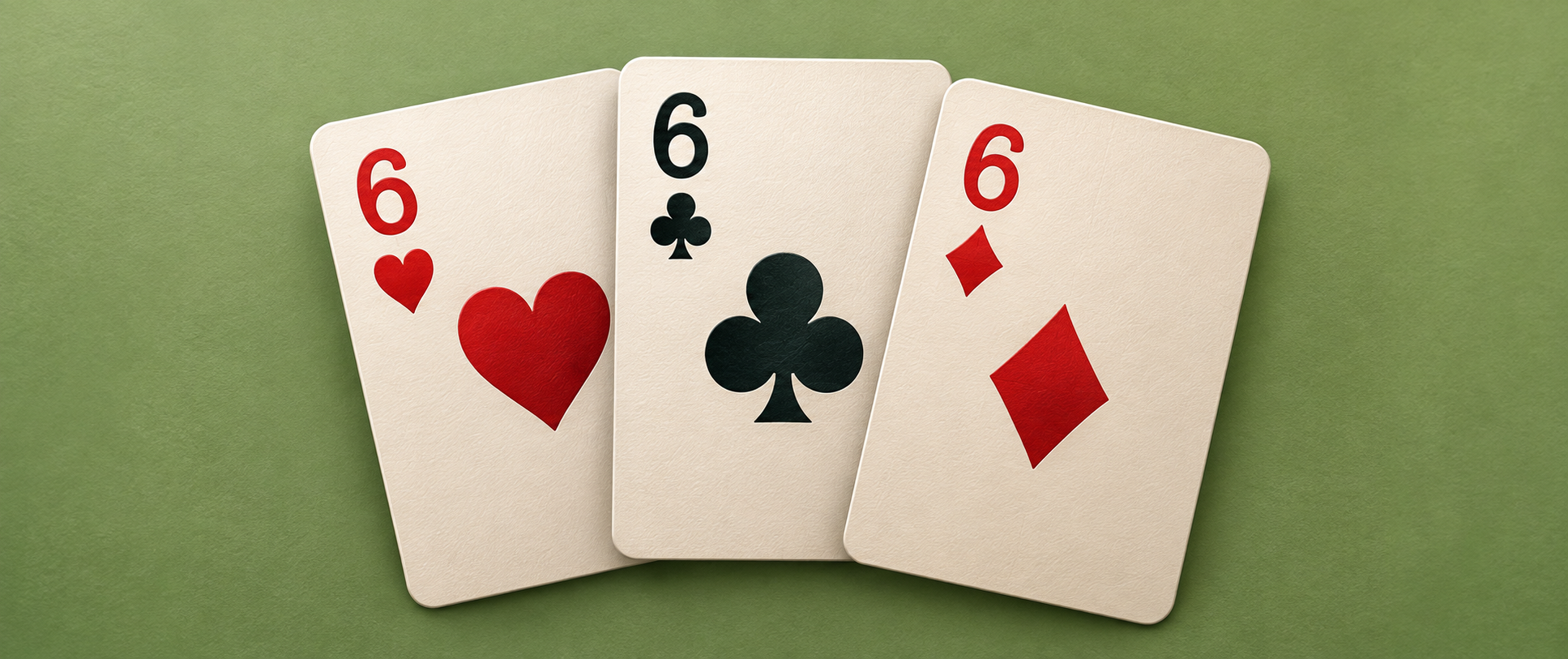
Audit a Pusoy example that uses six sevens in one deal. Separate a general hand-ranking rule from what a single standard deck can actually contain.
Understand what a Google Play budget actually does. Use an original three-scenario worksheet to separate spending alerts, purchase verification and Android app timers.
Follow a fixed Tongits action record from 12 held cards to nine. Separate drawing, exposing a three-card meld and discarding without inventing replacement draws.
Build an original Pusoy comparison grid for four named players. Match front with front, avoid duplicate pairings and distinguish 18 row checks from a score.

Read Tongits turn direction with an original three-seat map. Distinguish a player’s right from the right side of a page, and check a shuffled turn log.
Use an original card-inventory exercise to understand Pagat’s Tongit ending: a final discard is not required when all remaining cards form valid sets and runs.
Compare fixed two-pair hands with an original three-box worksheet. Check the higher pair, lower pair and kicker in order, then test a misleading ace example.
Follow an original three-stage Tongits timeline to distinguish drawing the last stock card from completing that player’s turn, without assuming a tied result.
Check the same-card-count rule in ordinary Pusoy Dos responses. Use original examples to separate a single, pair, triple and five-card group, with a note on variants.
Separate laying off a card, holding a hidden meld and opening your own Tongits hand with an original table-record exercise and the traditional four-card exception.
Find a Google Play order on Android or the web, check the purchasing account, and build a private record that separates a store receipt from an in-game balance.
Identify Pusoy rows from either side of a table. Use an original two-seat diagram and caption exercise to separate player-relative position from screen position.
Check a physical Tongits practice deck for missing and duplicate cards. Use four suit rows, one tick per rank and an original example that still totals 52.
Use a straight rank strip to check ace-containing Tongits runs. Compare A–2–3, Q–K–A and K–A–2, then try an original no-stakes card-label exercise.
Check what a pass means in a Big Two rules reference, then annotate an original Pusoy Dos turn log. Includes a variant warning and a no-stakes self-check.
Read fixed five-card Pusoy examples: compare the pair first, then the remaining ranks in order. Includes an original worksheet and a last-card self-check.
Separate taking a card from calling Draw in Tongits. Use an original action-log exercise to spot ambiguous wording without choosing moves or predicting winners.
Check a traditional Tongits deal with a 52-card ledger. Follow the dealer’s opening discard and one stock-draw turn, then diagnose two counting errors.
Separate a familiar two-pair pattern from an allowed Pusoy Dos combination. Check four-card and five-card examples in a no-stakes paper exercise.
Understand the traditional Tongits discard-pickup condition with fixed card examples: form and expose a new meld, rather than only add to an existing one.
Check a fixed Pusoy diagram in two passes: count the cards, then compare the front, middle and back categories. Includes an original no-stakes worksheet.
Practise spotting an overlapping set and run in Tongits. Use an original paper-card worksheet to check that each physical card appears in only one group.
Find Tongits Go support in Google Play and prepare a clear problem report with a timeline, exact error and privacy-checked screenshot. Includes a reusable template.
Tell a Pusoy straight, flush and straight flush apart with fixed five-card examples, a two-column worksheet and a no-stakes self-check.
Learn the Tongits values of aces, number cards and face cards, then check an original no-stakes example without counting the same card twice.
Read the Philippine Pusoy Dos suit order, distinguish suit from rank, and practise with four equal-rank cards. Includes a rule-variant checklist.
Learn to tell the Tongits stock, discard pile, hand and exposed melds apart with a labelled paper-table exercise and a quick self-check.
Tell a full house from two pair and three of a kind by counting repeated ranks in five cards. Includes original no-stakes practice examples.
Understand the ordinary three-card Pusoy front hand, recognise a pair or three of a kind, and practise without stakes.
Learn the basic Tongits deal, draw-and-discard sequence and card terms with a no-stakes paper-deck exercise.

Find Android app timers, understand the midnight reset and make a simple plan for time away from your screen.
Learn to name a card by rank and suit, distinguish matching colours from matching suits, and check a 52-card deck without playing for stakes.
Find Google Play purchase verification, check shared-phone access and understand why a budget alert does not stop a purchase.
Identify your Tongits Go mode, find its rules and learn essential card terms before your first session. Includes a beginner checklist.
Recognise a Tongits set, a same-suit run and sapaw with card illustrations and a simple no-stakes practice question.
Compare the rules, key differences and ways these two games are played.
A simple rundown of the published changes and what they mean for players.

Find out what virtual coins are, how they work and how to use them thoughtfully.
Practical tips to protect your account and enjoy the game with peace of mind.
Kilalanin ang ranggo at suit, alamin ang kaibahan ng kulay at simbolo, at suriin ang 52 baraha sa pagsasanay na walang pustahan.
Try a broader word, like “cards”, or reset your search.